Peptira Reta-3: The Triple-Agonist Breakthrough Reshaping Metabolic Peptide Research
Peptira Reta-3? Decoding the Next Evolution in Metabolic Peptides
Peptira reta-3 is the research community’s designation for a next-generation triple-agonist peptide compound engineered to simultaneously modulate three critical metabolic pathways: the GLP-1 (Glucagon-Like Peptide-1) receptor, the GIP (Gastric Inhibitory Polypeptide) receptor, and the glucagon receptor. This “3” in peptira reta-3 represents the triple-mechanism approach that distinguishes it from single-agonist and dual-agonist predecessors.
At Peptira Peps, peptira retatrutide-3 is synthesized under stringent laboratory conditions, delivering researchers a compound with verified purity ≥98%, complete sequence integrity, and batch-to-batch consistency. For laboratories investigating multi-pathway metabolic regulation, peptira reta-3 represents one of the most advanced tools currently available in the peptide research landscape.
Why the “Reta-3” Naming Convention?
The nomenclature peptira reta-3 follows established peptide research conventions:
| Component | Meaning |
|---|---|
| Reta | Derived from the compound’s structural relationship to retatrutide-class molecules |
| 3 | Signifies triple-agonist activity (GLP-1 + GIP + Glucagon) |
| Peptira | Denotes Peptira Peps’ proprietary synthesis and quality standards |
Researchers searching for peptira reta-3 are specifically seeking this triple-receptor profile for advanced metabolic studies.
The Science Behind Peptira Reta-3: Triple-Agonist Mechanism Explained
Receptor Target 1: GLP-1 (Glucagon-Like Peptide-1)
The GLP-1 component of peptira reta-3 activates pancreatic beta-cell insulin secretion in a glucose-dependent manner. In research models, this pathway demonstrates:
- Enhanced postprandial insulin response
- Reduced glucagon secretion during hyperglycemia
- Slowed gastric emptying
- Central appetite regulation via hypothalamic signaling
Receptor Target 2: GIP (Gastric Inhibitory Polypeptide)
The GIP arm of peptira reta-3 amplifies insulin secretion synergistically with GLP-1. Research indicates GIP agonism contributes to:
- Potentiated incretin effect when combined with GLP-1
- Improved lipid clearance in adipose tissue
- Enhanced beta-cell proliferation markers
- Complementary glucose-lowering beyond GLP-1 alone
Receptor Target 3: Glucagon Receptor
The glucagon component of peptira reta-3 distinguishes it from dual-agonist compounds. Glucagon receptor activation in peptira reta-3 research models shows:
- Increased hepatic glucose output during fasting states (physiological counter-regulation)
- Enhanced lipolysis and fatty acid oxidation
- Elevated energy expenditure via thermogenic pathways
- Improved hepatic lipid metabolism
The Synergistic Triad: Why 3 Is Greater Than 1+1+1
The power of peptira reta-3 lies not in individual receptor effects but in their orchestrated interaction:
Peptira Reta-3 Mechanism:
├── GLP-1 → Insulin secretion ↑, Appetite ↓
├── GIP → Incretin amplification ↑, Lipid handling ↑
├── Glucagon → Energy expenditure ↑, Hepatic metabolism ↑
└── SYNERGY → Comprehensive metabolic remodeling
Preclinical investigations suggest peptira retatrutide-3 may produce metabolic outcomes that exceed the additive effects of single-pathway compounds.
Peptira Reta-3 Specifications: What Researchers Receive
Every vial of peptira reta-3 from Peptira Peps includes:
| Specification | Standard |
|---|---|
| Purity | ≥98% (HPLC verified) |
| Form | Lyophilized (freeze-dried) powder |
| Sequence Integrity | Mass spectrometry confirmed |
| Endotoxin Level | <0.1 EU/μg |
| Available Quantities | 5mg, 10mg, 20mg, custom bulk |
| Storage | -20°C (lyophilized); 2-8°C (reconstituted) |
| Solubility | Bacteriostatic water or dilute acetic acid |
| Stability | 24+ months lyophilized at -20°C |
Certificate of Analysis (COA) Transparency
Each peptira retatrutide-3 batch ships with a unique lot number. Researchers can:
- Visit peptirapeps.com
- Enter the lot number from their vial
- Access the complete COA including:
- HPLC chromatogram
- Mass spec molecular weight confirmation
- Amino acid analysis
- Endotoxin test results
- Synthesis date and analyst signature
This transparency is why laboratories worldwide trust peptira reta-3 for publishable research.
Peptira Reta-3 vs Other Metabolic Peptides: A Researcher’s Comparison
Peptira Retatrutide-3 vs. Single-Agonist GLP-1 Peptides
| Feature | GLP-1 Only (e.g., Semaglutide analog) | Peptira Reta-3 |
|---|---|---|
| Receptor Coverage | GLP-1 only | GLP-1 + GIP + Glucagon |
| Insulin Secretion | Moderate | Enhanced (GIP synergy) |
| Energy Expenditure | Minimal direct effect | Elevated (glucagon component) |
| Lipid Metabolism | Indirect | Direct hepatic action |
| Research Applications | Glycemic control studies | Comprehensive metabolic remodeling |
Research Implication: Studies requiring broad metabolic intervention may benefit from peptira retatrutide-3‘s multi-pathway approach over single-receptor compounds.
Peptira Reta-3 vs Dual-Agonist (GIP/GLP-1) Peptides
| Feature | Dual GIP/GLP-1 (e.g., Tirzepatide analog) | Peptira Reta-3 |
|---|---|---|
| Receptor Coverage | GIP + GLP-1 | GIP + GLP-1 + Glucagon |
| Incretin Effect | Strong | Stronger (with added glucagon dynamics) |
| Hepatic Metabolism | Limited direct action | Active glucagon-mediated regulation |
| Thermogenesis | Modest | Potentially enhanced |
| Research Complexity | Moderate | Higher (three variables to model) |
Research Implication: Peptira retatrutide-3 introduces glucagon-mediated hepatic and energy expenditure variables that dual-agonist compounds cannot replicate.
Peptira Reta-3 vs Traditional Research Peptides
| Parameter | Traditional Peptides | Peptira Reta-3 |
|---|---|---|
| Mechanism Breadth | Single target | Triple target |
| Study Design Complexity | Straightforward | Requires multi-parameter monitoring |
| Potential Outcomes | Narrow, predictable | Broad, multifaceted |
| Publication Novelty | Established | Cutting-edge |
Research Applications: How Laboratories Use Peptira Reta-3
Application 1: Metabolic Syndrome Modeling
Peptira retatrutide-3 is increasingly utilized in preclinical models of metabolic syndrome, where researchers investigate:
- Multi-factorial dyslipidemia correction
- Insulin resistance reversal mechanisms
- Visceral adiposity reduction pathways
- Systemic inflammation modulation
Application 2: Energy Homeostasis Studies
The glucagon component of peptira retatrutide-3 makes it valuable for research into:
- Brown adipose tissue activation
- Adaptive thermogenesis
- Resting metabolic rate modulation
- Exercise-independent energy expenditure
Application 3: Hepatic Metabolism Research
Peptira retatrutide-3 supports investigations of:
- Non-alcoholic fatty liver disease (NAFLD) progression
- Hepatic glucose production regulation
- Lipid export vs storage balance
- Mitochondrial function in hepatocytes
Application 4: Comparative Agonist Studies
Many researchers procure peptira retatrutide-3 alongside single and dual-agonist compounds to conduct head-to-head comparisons, generating data on:
- Relative receptor affinity profiles
- Dose-response relationships across agonist classes
- Synergistic vs additive pharmacodynamics
- Long-term adaptive responses
Proper Handling Protocols for Peptira Reta-3
Storage Guidelines
| Condition | Temperature | Duration | Notes |
|---|---|---|---|
| Long-term storage | -20°C | 24+ months | Preferred; protect from light |
| Short-term storage | 2-8°C | Up to 6 months | Acceptable for active studies |
| Reconstituted | 2-8°C | 14-21 days | Use bacteriostatic water |
| Aliquoted (frozen) | -20°C | 3 months | Avoid >3 freeze-thaw cycles |
Reconstitution Protocol for Peptira Reta-3
- Calculate required concentration: Typical research concentrations range 1-10 mg/mL
- Select diluent: Bacteriostatic water (0.9% benzyl alcohol) is standard; dilute acetic acid (0.1%) for enhanced solubility if needed
- Slow injection: Add diluent gradually down the vial interior wall
- Gentle mixing: Swirl the vial; do not shake or vortex
- Visual confirmation: Ensure complete dissolution before use
- Aliquot if necessary: Divide into single-use volumes to preserve integrity
Stability Considerations
Peptira retatrutide-3 contains complex tertiary structure elements sensitive to:
- pH extremes: Maintain pH 6.0-7.5 in solution
- Temperature fluctuations: Minimize freeze-thaw cycles
- Mechanical agitation: Gentle handling prevents aggregation
- Light exposure: Store in amber vials or opaque containers
- Oxidation: Reconstituted solutions should be used promptly
Peptira Reta-3 Dosage Considerations for Research
Important: All dosage information is for research planning purposes only. Peptira retatrutide-3 is sold for laboratory research and not for human or veterinary use. Institutional review board approval and appropriate regulatory compliance are required for all studies.
Common Research Parameters
| Study Type | Typical Concentration Range | Administration Route | Frequency |
|---|---|---|---|
| In vitro (cell culture) | 10 nM – 10 μM | Media supplementation | Single or repeated |
| In vivo (rodent) | 0.1 – 3.0 mg/kg | Subcutaneous injection | Daily or per protocol |
| Pharmacokinetic | Variable | Per study design | Time-course sampling |
| Receptor binding | 0.01 nM – 1 μM | In vitro only | N/A |
Factors Influencing Peptira Reta-3 Research Design
- Species selection: Receptor homology varies across models
- Metabolic state: Fasting vs fed conditions alter responses
- Duration: Acute vs chronic administration produces different adaptive responses
- Co-variables: Diet, exercise, and concurrent compounds interact with peptira retatrutide-3 effects
Why Researchers Source Peptira Reta-3 From Peptira Peps
Unmatched Quality Verification
- Every batch tested: 100% HPLC and mass spec analysis
- Independent verification: Third-party COAs, not self-reported data
- Sequence fidelity: Confirmed against published reference structures
Researcher-Centric Policies
- Flexible quantities: From 5mg pilot studies to gram-scale projects
- Custom synthesis: Modified sequences available upon request
- Bulk pricing: Volume discounts for large-scale investigations
- Fast shipping: Temperature-controlled delivery worldwide
Scientific Support
Our team includes researchers with advanced degrees available to discuss:
- Peptira reta-3 experimental design
- Protocol optimization
- Data interpretation
- Publication guidance
Frequently Asked Questions About Peptira Reta-3
What Exactly Is Peptira Reta-3?
Peptira reta-3 is a research-grade triple-agonist peptide targeting GLP-1, GIP, and glucagon receptors. It is synthesized and distributed by Peptira Peps exclusively for laboratory research purposes.
How Does Peptira Reta-3 Differ From Retatrutide?
While structurally related to retatrutide-class compounds, peptira reta-3 is manufactured to Peptira Peps’ proprietary specifications with enhanced purity standards and rigorous batch verification. Researchers should consult the specific COA for their lot.
Is Peptira Reta-3 FDA-Approved?
No. Peptira retatrutide-3 is sold for research purposes only and has not been evaluated or approved by the FDA for human use, diagnosis, or treatment.
What Purity Level Does Peptira Reta-3 Achieve?
Every batch of peptira retatrutide-3 from Peptira Peps achieves ≥98% purity as verified by HPLC analysis. Mass spectrometry confirms molecular weight and sequence integrity.
How Should I Store?
Lyophilized peptira retatrutide-3 should be stored at -20°C for maximum stability (24+ months). Reconstituted solutions should be kept at 2-8°C and used within 14-21 days.
Can I Order for Personal Use?
No. Peptira retatrutide-3 is available exclusively to verified research institutions, laboratories, and qualified researchers. All orders require institutional verification.
What Quantities are Available?
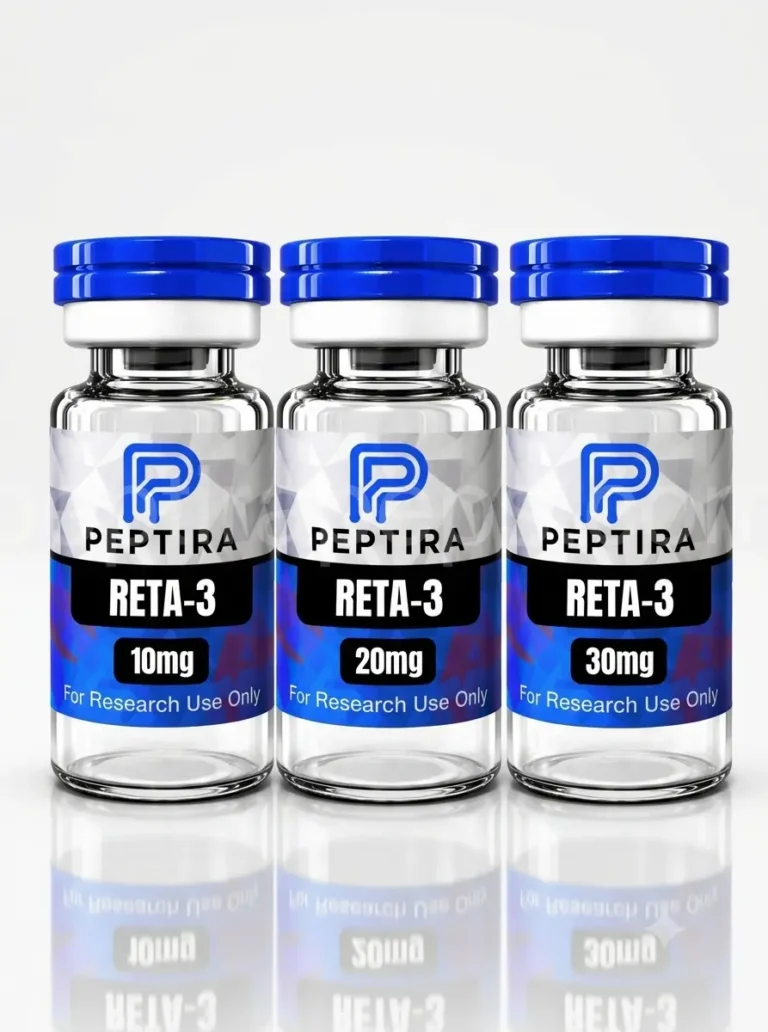
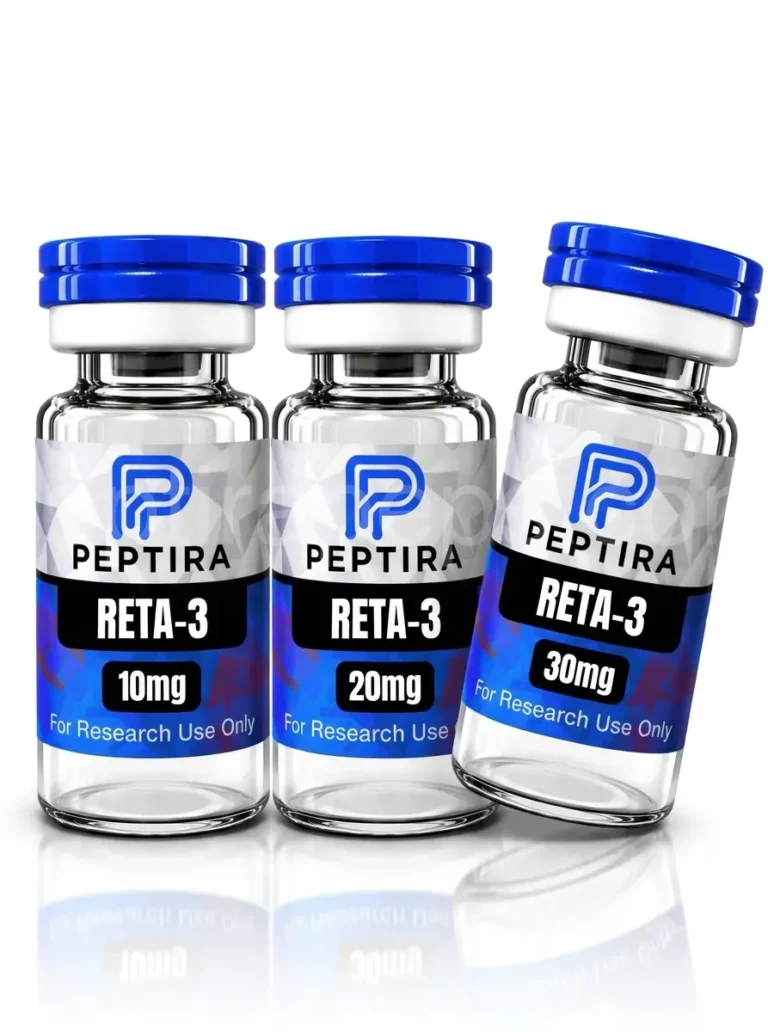
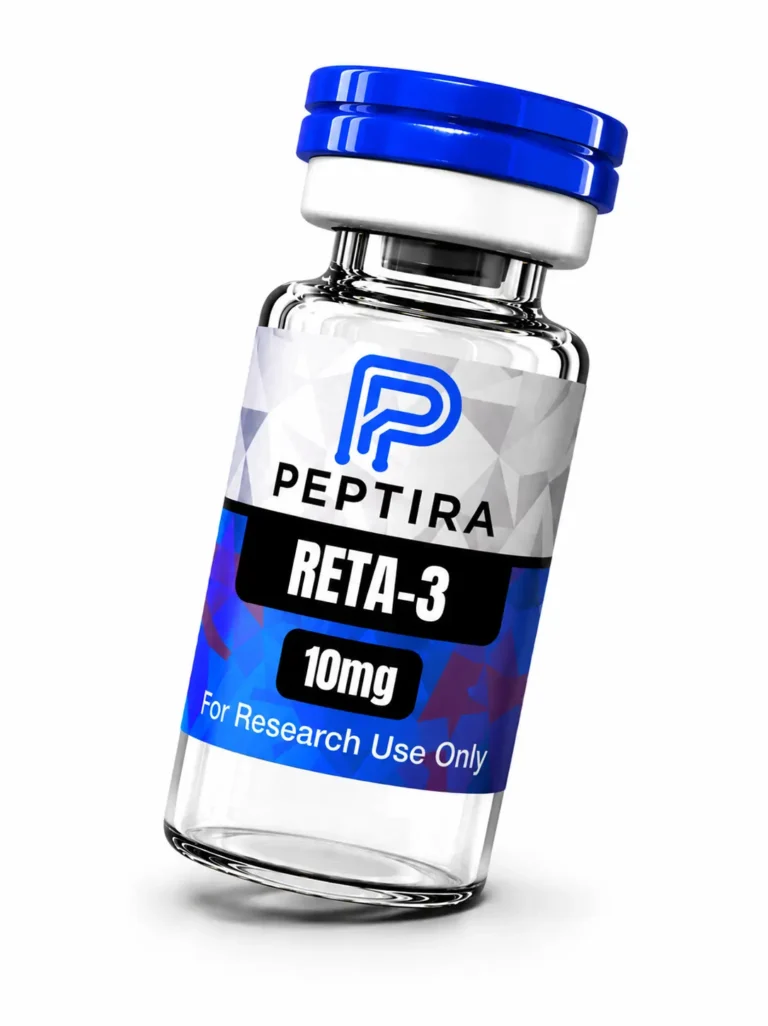
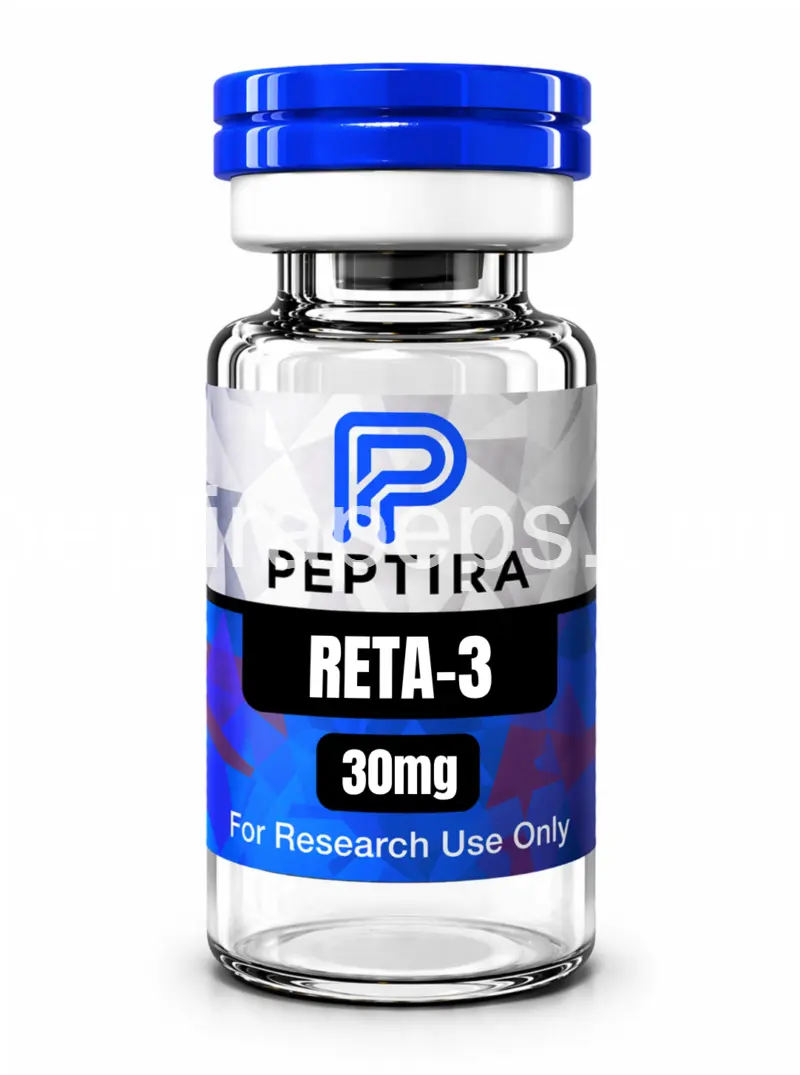
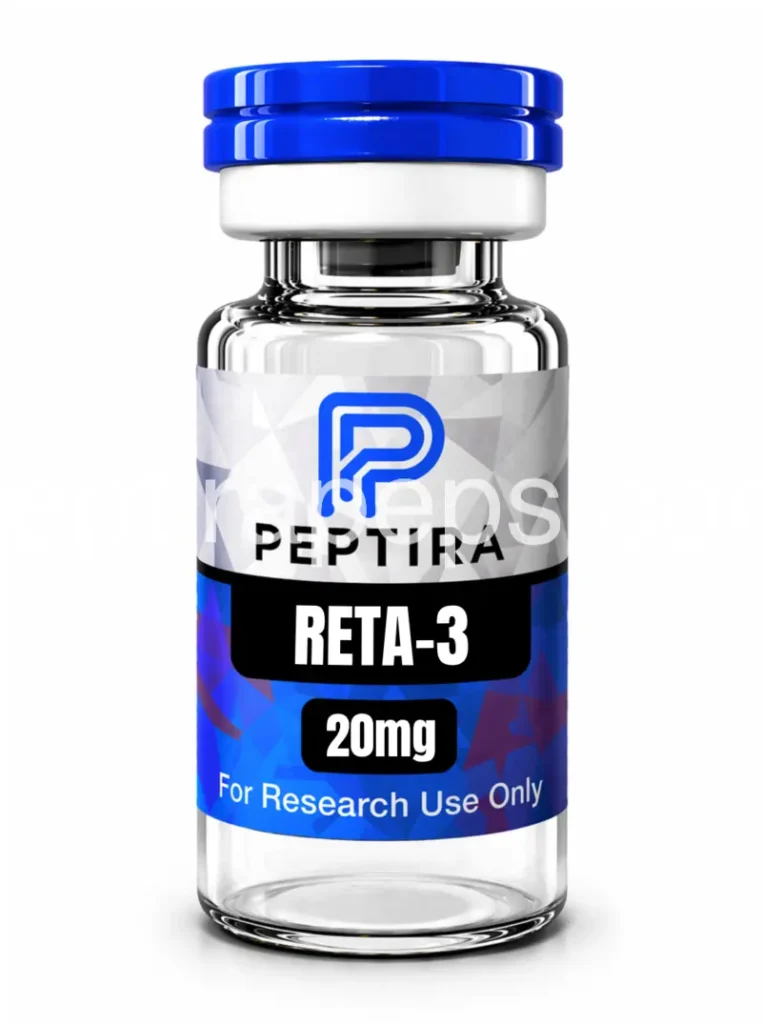
Standard peptira reta-3 quantities include 10mg, 20mg, and 30mg vials. Bulk quantities (100mg+) are available for large-scale research projects with discounted pricing.
How Quickly Does Peptira Reta-3 Ship?
Orders placed before 2 PM EST ship same-day. Domestic delivery typically takes 2-3 business days; international shipping varies by destination. All shipments are temperature-controlled.
Does It Come With a COA?
Yes. Every peptira reta-3 vial includes a lot number linked to a downloadable Certificate of Analysis with HPLC chromatogram, mass spec data, and endotoxin results.
Can Peptira Reta-3 Be Combined With Other Peptides in Research?
Some researchers design multi-peptide protocols, but combination studies require careful validation. Consult peer-reviewed literature and your institutional guidelines before combining peptira retatrutide-3 with other compounds.
Ordering From Peptira Peps
To procure peptira retatrutide-3 for your laboratory:
- Visit peptirapeps.com/shop and navigate to the metabolic peptides category
- Select your quantity: Choose from 10mg, 20mg, 30mg, or request bulk pricing
- Complete institutional verification: Provide laboratory credentials
- Secure checkout: Multiple payment methods accepted
- Receive and verify: Cross-reference your lot number with our online COA database
Conclusion: The Future of Metabolic Research With Peptira retatrutide-3
Peptira retatrutide-3 represents the vanguard of multi-agonist peptide research. By simultaneously engaging GLP-1, GIP, and glucagon pathways, it offers researchers an unprecedented tool for investigating complex metabolic regulation. As the scientific community continues to unravel the interactions between these critical hormonal systems, peptira retatrutide-3 from Peptira Peps provides the quality, consistency, and transparency required for meaningful discoveries.
The triple-agonist era has arrived. Peptira reta-3 is your laboratory’s key to participating in it.
Disclaimer: Peptira reta-3 is sold exclusively for laboratory research purposes. It is not for human consumption, veterinary use, or diagnostic applications. All research must comply with applicable institutional and regulatory requirements. This article is for educational purposes and does not constitute medical or scientific advice.