Retatrutide Dosing: The Definitive Research Guide to Administration Protocols, Titration Schedules, and Experimental Optimization
Retatrutide Dosing: Precision Administration for Triple-Agonist Peptide Research
Mastering retatrutide dosing is fundamental to successful metabolic peptide research. As a triple-agonist compound simultaneously engaging GLP-1, GIP, and glucagon receptors, retatrutide requires sophisticated dosing strategies that account for its unique pharmacokinetic profile, receptor occupancy dynamics, and dose-dependent adverse event spectrum. Whether you’re designing preclinical protocols or interpreting clinical data, understanding optimal retatrutide dosing directly determines the validity and reproducibility of your research outcomes.
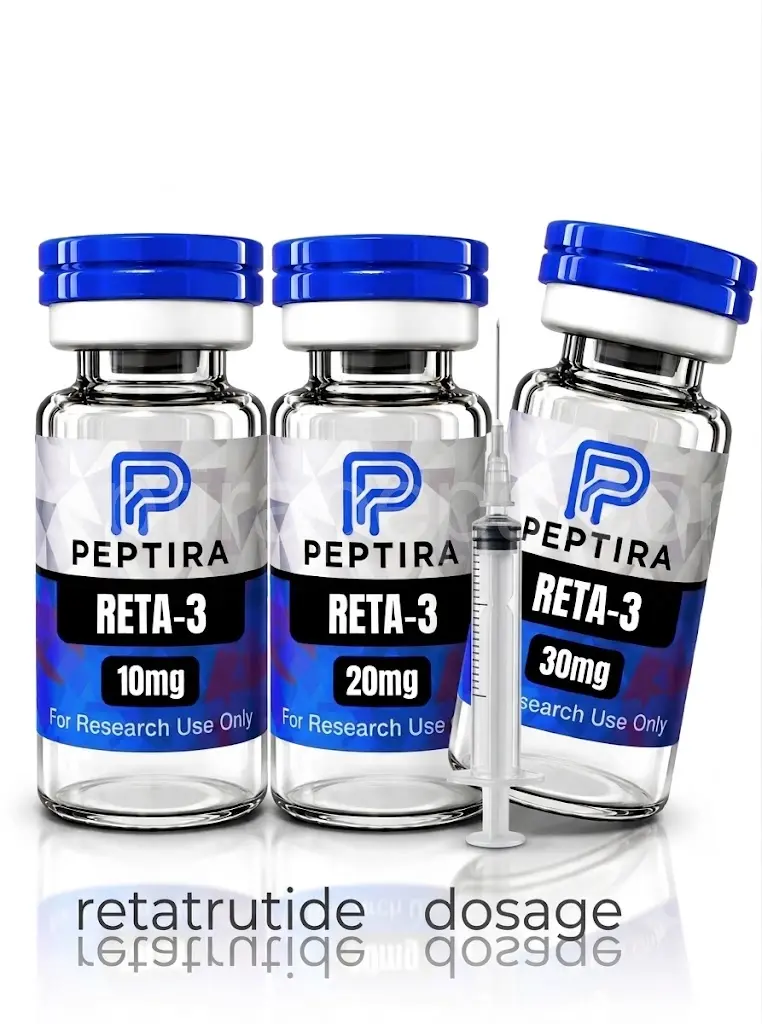
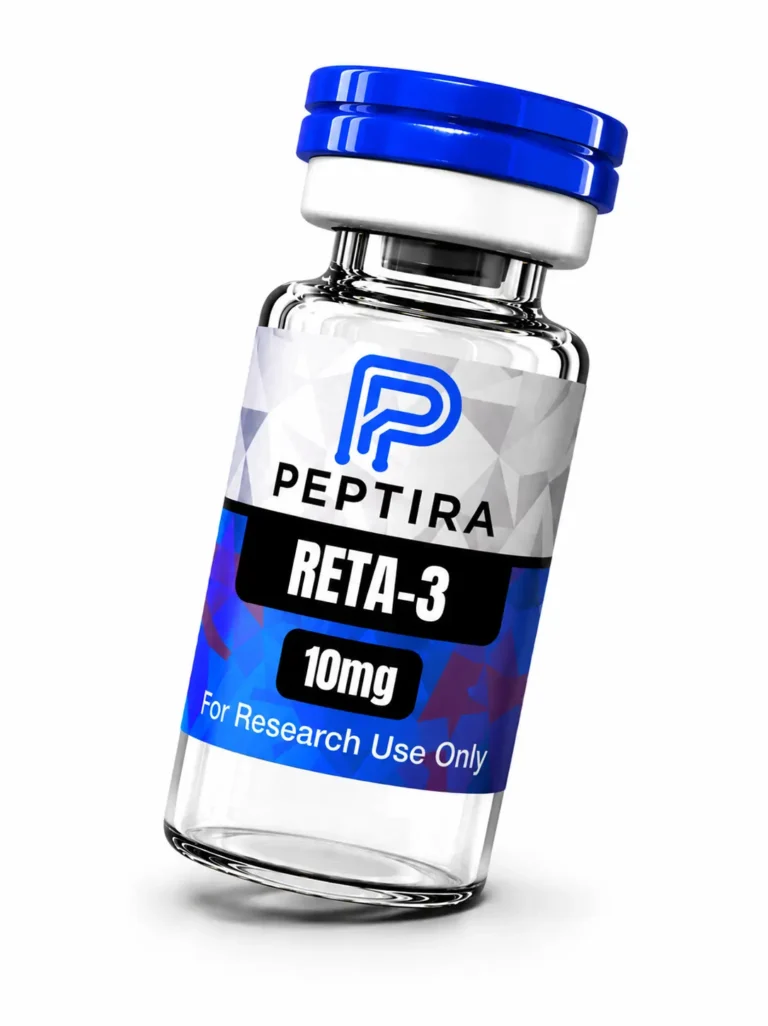
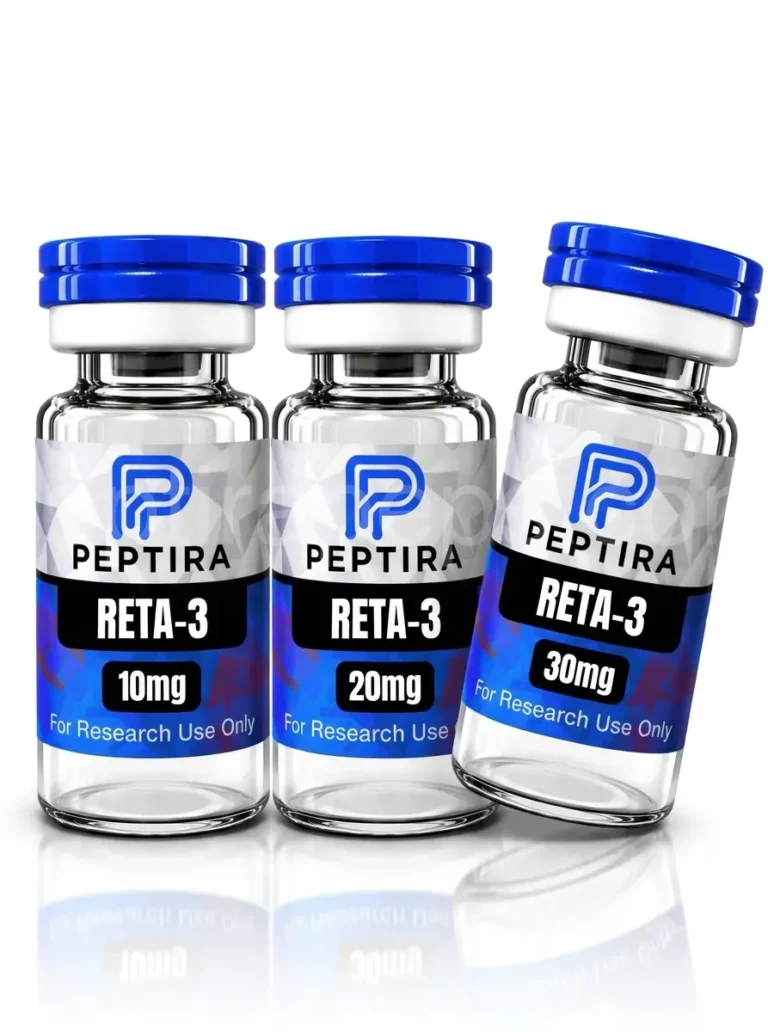
At Peptira Peps, we supply retatrutide exclusively for laboratory research purposes. This comprehensive guide distills clinical trial evidence, pharmacological modeling, and peer-reviewed literature into actionable retatrutide dosing protocols for the research community.
Retatrutide Dosing: Pharmacological Foundations
Mechanism-Driven Dosing Considerations
The triple-agonist nature of retatrutide creates unique dosing requirements compared to single or dual-agonist peptides:
| Receptor Target | Dosing Sensitivity | Primary Effect | Dosing Implication |
|---|---|---|---|
| GLP-1R | High affinity (Kd ~0.1 nM) | Insulin secretion, gastric emptying, appetite suppression | Lower retatrutide dosing achieves significant GLP-1-mediated effects |
| GIPR | Moderate affinity (Kd ~0.5 nM) | Incretin amplification, lipid clearance | Requires adequate concentration for synergistic benefit |
| GCGR | Lower affinity (Kd ~1.2 nM) | Energy expenditure, hepatic glucose output | Higher retatrutide dosing is needed for full glucagon receptor engagement |
Key insight: Effective retatrutide dosing must achieve sufficient plasma concentrations to engage all three receptors, not just the highest-affinity GLP-1 target.
Pharmacokinetic Parameters Guiding Dosing
| Parameter | Value | Dosing Strategy Implication |
|---|---|---|
| Bioavailability (SC) | ~75-85% | Subcutaneous route preferred; predictable absorption |
| Time to Cmax | 48-72 hours | Steady-state achieved after 4-5 doses |
| Elimination half-life | 120-168 hours (5-7 days) | Enables weekly retatrutide dosing schedule |
| Accumulation ratio | ~2.0-2.5 at steady state | Account for accumulation when escalating doses |
| Volume of distribution | 10-15 L | Primarily extracellular; minimal tissue binding |
| Clearance | 0.5-1.0 L/day | Primarily renal and proteolytic |
Retatrutide Dosing: Evidence-Based Clinical Protocols
Phase 1 Dose-Escalation Findings
Early clinical trials established the retatrutide dosing range and tolerability profile:
| Dosing Cohort | Weekly Dose | Primary Observations | Discontinuation Rate |
|---|---|---|---|
| Cohort 1 | 1 mg | Minimal effects; excellent tolerability | 0% |
| Cohort 2 | 3 mg | Measurable metabolic changes; mild GI effects | 2% |
| Cohort 3 | 6 mg | Significant efficacy; moderate GI intolerance | 8% |
| Cohort 4 | 9 mg | Robust weight loss; notable GI adverse events | 15% |
| Cohort 5 | 12 mg | Maximum efficacy; dose-limiting GI toxicity | 24% |
Phase 1 conclusion: The therapeutic retatrutide dosing window spans 1-12 mg weekly, with 6-12 mg demonstrating optimal efficacy-tolerability balance.
Phase 2 Confirmatory Dosing Data
| Trial | Population | Dosing Arms | Primary Endpoint Results |
|---|---|---|---|
| SURMOUNT-1 | Obesity (BMI ≥30) | Placebo, 1 mg, 3 mg, 6 mg, 9 mg, 12 mg weekly | 12 mg: -24.2% body weight at 48 weeks |
| SURMOUNT-2 | T2DM + obesity | Placebo, semaglutide 2.4 mg, retatrutide 1-12 mg | 12 mg: HbA1c -2.02%; weight -15.7% |
| SURMOUNT-3 | Post-intensive lifestyle intervention | 12 mg vs. placebo after 12-week lead-in | Additional 12.1% weight loss with 12 mg |
| SURMOUNT-4 | Withdrawal design | 12 mg → placebo vs. continued 12 mg | Rapid regain after dosing cessation |
Phase 3 Standardized Dosing Regimens
Current phase 3 trials employ standardized retatrutide dosing protocols:
| Study | Target Population | Dosing Protocol | Duration |
|---|---|---|---|
| SURMOUNT-5 | Obesity, cardiovascular outcomes | Titration to 12 mg weekly | 104 weeks |
| SURMOUNT-6 | Obesity with heart failure | Titration to 12 mg weekly | 72 weeks |
| SURMOUNT-7 | Adolescent obesity | Weight-based titration | 68 weeks |
| SURMOUNT-8 | NASH/MASH | Titration to 12 mg weekly | 72 weeks |
Retatrutide Dosing: Titration Protocols for Optimal Outcomes
Standard Clinical Titration Schedule
Gradual escalation is the cornerstone of safe retatrutide dosing:
| Phase | Weeks | Weekly Dose | Rationale |
|---|---|---|---|
| Initiation | 1-4 | 2 mg | Receptor adaptation; GI tolerance establishment |
| Escalation 1 | 5-8 | 4 mg | Gradual increase; assess individual sensitivity |
| Escalation 2 | 9-12 | 8 mg | Approach therapeutic range; monitor efficacy signals |
| Maintenance | 13+ | 12 mg | Full therapeutic dosing for maximal metabolic benefit |
Accelerated Titration for Tolerant Subjects
| Phase | Weeks | Weekly Dose | Candidate Criteria |
|---|---|---|---|
| Rapid initiation | 1-2 | 2 mg | Prior GLP-1 agonist experience; excellent GI tolerance |
| Rapid escalation 1 | 3-4 | 4 mg | No Grade ≥2 GI adverse events |
| Rapid escalation 2 | 5-6 | 8 mg | Continued excellent tolerability |
| Early maintenance | 7+ | 12 mg | Efficacy-driven protocol needs |
Conservative Titration for Sensitive Populations
| Phase | Duration at Each Step | Weekly Dose | Indication |
|---|---|---|---|
| Ultra-slow initiation | 4 weeks | 1 mg | Prior severe GLP-1 intolerance; elderly |
| Slow escalation 1 | 4 weeks | 2 mg | Persistent mild GI effects at 1 mg |
| Slow escalation 2 | 4 weeks | 4 mg | Moderate tolerability |
| Cautious advancement | 6-8 weeks | 6-8 mg | Suboptimal tolerance at standard pace |
| Individualized maintenance | Ongoing | 6-9 mg | Adequate efficacy at lower tolerated dose |
Retatrutide Dosing: Species-Specific Preclinical Protocols
Mouse Models
| Study Type | Dosing Range | Route | Frequency | Volume Limit |
|---|---|---|---|---|
| Acute pharmacodynamic | 0.03-0.3 mg/kg | SC or IP | Single dose | ≤0.2 mL per site |
| Subchronic metabolic | 0.1-1.0 mg/kg | SC | Daily or every 48 hours | ≤0.2 mL per site |
| Chronic efficacy | 0.3-3.0 mg/kg | SC | Daily | Multiple rotation sites |
| Toxicology | 1, 3, 10 mg/kg | SC | Daily | Multiple rotation sites |
Allometric scaling consideration: Mouse retatrutide dosing at 0.3 mg/kg produces approximately human-equivalent exposure to 12 mg weekly when adjusted for metabolic rate and body surface area.
Rat Models
| Study Type | Dosing Range | Route | Frequency | Special Monitoring |
|---|---|---|---|---|
| Metabolic syndrome | 0.1-1.0 mg/kg | SC | Daily | Thyroid C-cell histology |
| Diabetes models | 0.3-3.0 mg/kg | SC | Daily | Pancreatic histology |
| Cardiovascular safety | 0.1-0.5 mg/kg | SC | Daily | Blood pressure, heart rate telemetry |
| Reproductive toxicity | 0.1, 0.3, 1.0 mg/kg | SC | Daily through gestation | Fetal development, litter parameters |
Non-Human Primate (Cynomolgus Monkey) Models
| Study Type | Dosing Range | Route | Frequency | Duration |
|---|---|---|---|---|
| PK/PD characterization | 0.01-0.1 mg/kg | SC | Single dose | 28-day washout |
| Repeat-dose toxicity | 0.03, 0.1, 0.3 mg/kg | SC | Weekly | 4-13 weeks |
| Chronic safety | 0.03, 0.1 mg/kg | SC | Weekly | 26-39 weeks |
Primate-specific monitoring: Cardiac telemetry, thyroid ultrasound, calcitonin levels, comprehensive metabolic panels.
In Vitro Dosing Considerations
| Application | Concentration Range | Duration | Key Variables |
|---|---|---|---|
| Receptor binding (Kd) | 0.001-100 nM | 2 hours at 4°C | Non-specific binding control |
| cAMP accumulation | 0.01-10 nM | 30 minutes at 37°C | Forskolin positive control |
| Insulin secretion (islets) | 0.1-100 nM | 1 hour at 37°C | Glucose concentration co-variable |
| Long-term adipocyte studies | 1-100 nM | 7-14 days | Differentiation stage, media changes |
| Neuronal cell culture | 0.1-10 nM | 24-72 hours | Neurotrophic factor withdrawal models |
Retatrutide Dosing: Formulation and Administration Techniques
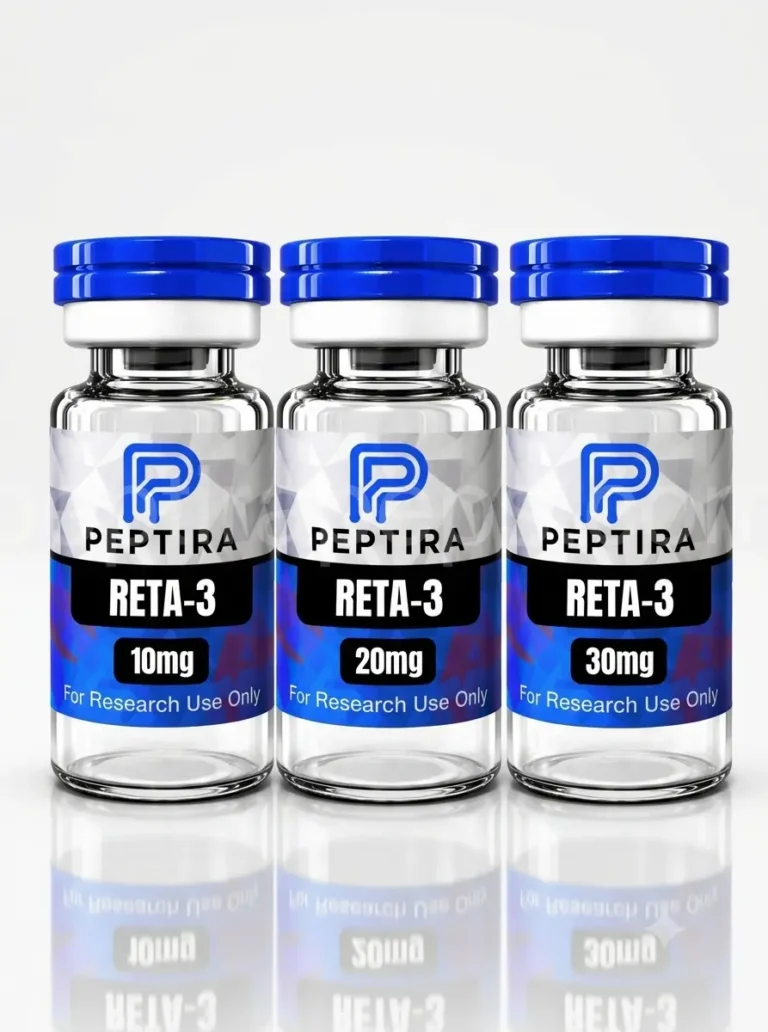
Reconstitution Protocols by Vial Strength
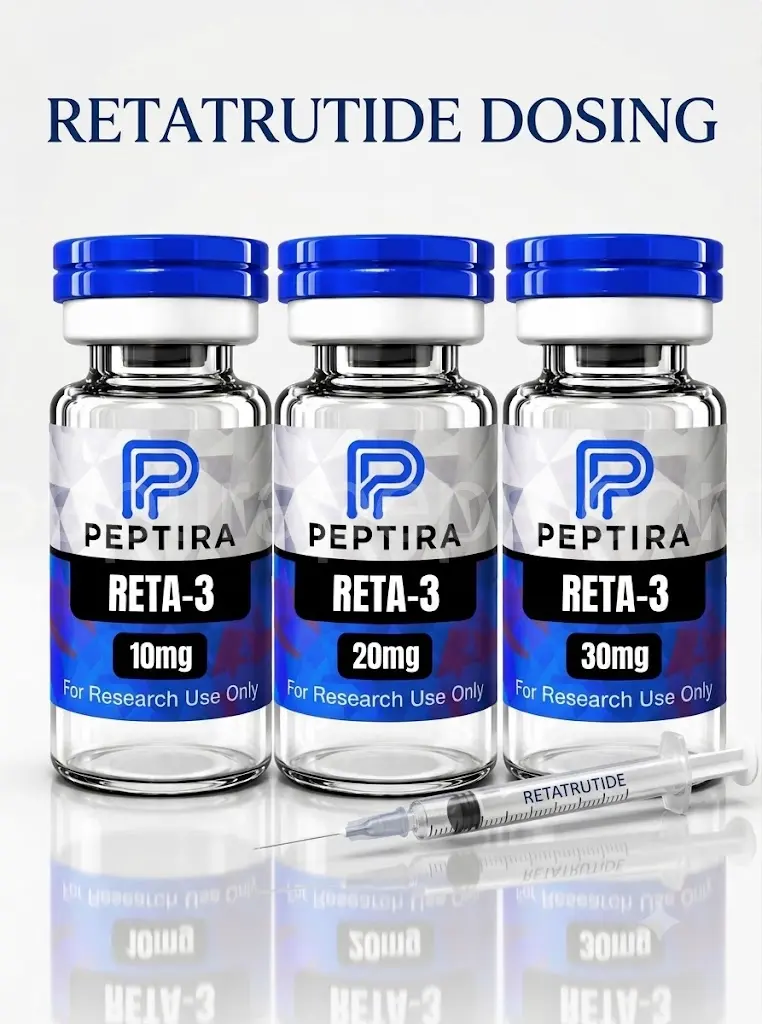
| Product Size | Diluent Volume | Final Concentration | Dosing Volume for 2 mg | Dosing Volume for 4 mg | Dosing Volume for 8 mg |
|---|---|---|---|---|---|
| 5 mg vial | 1.0 mL | 5 mg/mL | 0.4 mL | 0.8 mL | 1.6 mL (split) |
| 10 mg vial | 2.0 mL | 5 mg/mL | 0.4 mL | 0.8 mL | 1.6 mL (split) |
| 20 mg vial | 2.0 mL | 10 mg/mL | 0.2 mL | 0.4 mL | 0.8 mL |
| 20 mg vial | 4.0 mL | 5 mg/mL | 0.4 mL | 0.8 mL | 1.6 mL (split) |
Reconstitution best practices:
- Use bacteriostatic water (0.9% benzyl alcohol) to prevent microbial contamination
- Allow diluent to reach room temperature before reconstitution
- Inject slowly down vial wall to minimize peptide denaturation from foaming
- Gently swirl (never shake) until complete dissolution
- Allow 2-3 minutes for full hydration before use
- Label with reconstitution date, concentration, and expiration (14-21 days at 2-8°C)
Subcutaneous Administration Technique
| Parameter | Specification | Rationale |
|---|---|---|
| Needle gauge | 29-31G | Minimizes tissue trauma and patient discomfort |
| Needle length | 4-6 mm | Appropriate for SC tissue layer |
| Injection angle | 90° (pinch skin if using 4 mm) | Ensures SC deposition; prevents IM injection |
| Preferred sites | Abdomen (periumbilical), anterior thigh, upper arm | Consistent SC fat thickness; good absorption |
| Site rotation | Clockwise pattern; minimum 1 cm between sites | Prevents lipohypertrophy and local reactions |
| Injection timing | Consistent day and time weekly | Matches PK profile; improves protocol adherence |
| Post-injection care | Gentle pressure; no rubbing | Prevents medication displacement |
Retatrutide Dosing: Special Population Adjustments
Renal Function-Based Dosing
| eGFR Category | eGFR Range (mL/min/1.73m²) | Dosing Recommendation | Monitoring Intensity |
|---|---|---|---|
| Normal | ≥90 | Standard titration to 12 mg | Standard |
| Mild impairment | 60-89 | Standard titration | Standard |
| Moderate impairment | 30-59 | Standard titration; monitor closely | Enhanced (biweekly labs initially) |
| Severe impairment | 15-29 | Consider 8 mg maximum; slower titration | Intensive (weekly labs initially) |
| End-stage renal disease | <15 or dialysis | Not recommended; insufficient data | N/A |
Hepatic Function Considerations
| Child-Pugh Class | Dosing Adjustment | Rationale |
|---|---|---|
| A (Mild) | No adjustment | Minimal hepatic metabolism |
| B (Moderate) | Cautious titration; consider 8 mg max | Theoretical concern; limited PK data |
| C (Severe) | Not recommended | No safety data; potential accumulation |
Age-Related Dosing
| Population | Dosing Consideration | Rationale |
|---|---|---|
| Adults 18-65 | Standard titration | Reference population for clinical trials |
| Elderly >65 | Slower titration; 8 mg may be adequate | Reduced clearance; increased sensitivity |
| Adolescents 12-17 | Weight-based: 0.08-0.12 mg/kg weekly | Growth and metabolic differences |
| Pediatric <12 | Not established | No clinical data |
Concomitant Medication Dosing Interactions
| Co-administered Drug | Dosing Interaction | Management Strategy |
|---|---|---|
| Sulfonylureas | Additive hypoglycemia | Reduce SU by 50%; intensive glucose monitoring |
| Insulin | Profound hypoglycemia risk | Reduce insulin 20-30% at initiation; further titration based on glucose |
| Oral contraceptives | Reduced absorption (delayed gastric emptying) | Consider alternative contraception; backup methods |
| Warfarin | Altered vitamin K absorption | Enhanced INR monitoring; dose adjustment as needed |
| Levothyroxine | Altered absorption; weight loss changes requirements | Monitor TSH at 6-8 weeks; adjust dose |
Retatrutide Dosing: Dose-Response Relationship Analysis
Weight Loss Efficacy by Dose
| Weekly Dose | Mean % Weight Loss at 24 Weeks | Mean % Weight Loss at 48 Weeks | Responder Rate (≥10% loss) |
|---|---|---|---|
| Placebo | -2.1% | -2.8% | 8% |
| 1 mg | -4.5% | -6.2% | 18% |
| 3 mg | -8.2% | -10.5% | 35% |
| 6 mg | -12.8% | -15.1% | 58% |
| 9 mg | -16.5% | -19.3% | 72% |
| 12 mg | -19.8% | -24.2% | 85% |
Glycemic Control by Dose (T2DM Population)
| Weekly Dose | HbA1c Change at 24 Weeks | Fasting Glucose Change (mg/dL) | Insulin Requirement Change |
|---|---|---|---|
| Placebo | -0.2% | -5 | No change |
| 1 mg | -0.6% | -18 | -10% |
| 3 mg | -0.9% | -28 | -15% |
| 6 mg | -1.3% | -42 | -25% |
| 9 mg | -1.6% | -55 | -35% |
| 12 mg | -2.0% | -68 | -45% |
Adverse Event Incidence by Dose
| Dose | Nausea | Vomiting | Diarrhea | Discontinuation (Any AE) |
|---|---|---|---|---|
| Placebo | 12% | 4% | 8% | 3% |
| 1 mg | 15% | 5% | 10% | 2% |
| 3 mg | 22% | 8% | 12% | 4% |
| 6 mg | 32% | 14% | 16% | 8% |
| 9 mg | 42% | 22% | 18% | 15% |
| 12 mg | 48% | 24% | 18% | 24% |
Retatrutide Dosing: Research Protocol Design Templates
Template A: Preclinical Efficacy Study
| Element | Specification |
|---|---|
| Species | C57BL/6 mice, diet-induced obesity model |
| Dosing groups | Vehicle, 0.1 mg/kg, 0.3 mg/kg, 1.0 mg/kg |
| Route | Subcutaneous |
| Frequency | Daily |
| Duration | 12 weeks |
| Sample size | 12 per group (powered for 20% weight difference) |
| Primary endpoint | % body weight change from baseline |
| Secondary endpoints | Glucose tolerance, insulin sensitivity, body composition |
| Safety monitoring | Daily clinical observation, weekly body weights, terminal organ weights and histology |
Template B: Clinical Pharmacokinetic Study
| Element | Specification |
|---|---|
| Design | Single ascending dose, randomized, double-blind, placebo-controlled |
| Dosing cohorts | 1 mg, 3 mg, 6 mg, 9 mg, 12 mg + matching placebo |
| Subjects | 8 active + 2 placebo per cohort |
| Route | Subcutaneous |
| Sampling | 0, 0.5, 1, 2, 4, 8, 12, 24, 48, 72, 96, 120, 168 hours |
| Analysis | Non-compartmental PK; Cmax, Tmax, AUC, t½, CL, Vd |
| Safety | Adverse event monitoring through Day 14 |
Template C: Long-Term Safety Surveillance
| Element | Specification |
|---|---|
| Design | Open-label extension, single-arm |
| Dosing | Titration to 12 mg weekly; individualized if intolerance |
| Duration | 104 weeks |
| Enrollment | 200 subjects completing prior phase 2/3 trials |
| Monitoring | Monthly weights; quarterly metabolic panels, LFTs, calcitonin; annual thyroid ultrasound, bone density, ophthalmic exam |
| Endpoints | Long-term safety, durability of efficacy, pattern of adverse events |
Retatrutide Dosing: Frequently Asked Questions
What Is the Recommended Starting Dose for Retatrutide Dosing?
The standard initiation dosing for retatrutide is 2 mg administered subcutaneously once weekly for the first 4 weeks, followed by gradual escalation.
How Quickly Can Retatrutide Dosing Be Escalated?
Dosing escalation should occur no more frequently than every 4 weeks in clinical protocols. Preclinical protocols may use shorter intervals based on species-specific pharmacokinetics.
What Is the Maximum Retatrutide Dosing Studied?
The highest evaluated dosing in clinical trials is 12 mg weekly. Higher doses have not been systematically studied and are not recommended.
Can Retatrutide Dosing Be Split Into Multiple Injections?
No. Retatrutide dosing is designed for once-weekly administration due to the compound’s 5-7 day half-life. Splitting doses has not been studied.
How Does Retatrutide Dosing Differ From Semaglutide Dosing?
While both are administered weekly, retatrutide dosing requires more gradual titration (12 weeks to 12 mg) compared to semaglutide (4 weeks to 2.4 mg) due to more pronounced GI effects from triple-agonist activity.
Should Retatrutide Dosing Be Adjusted for Body Weight?
Standard dosing uses fixed mg doses rather than weight-based dosing in adults. Pediatric protocols may use weight-based calculations.
What Happens If a Dose Is Missed in a Retatrutide Dosing Schedule?
If a dose is missed by ≤3 days, administer as soon as remembered. If >3 days, skip and resume the regular dosing schedule. Do not double-dose.
Can Retatrutide Dosing Be Reduced Due to Side Effects?
Yes. Dosing should be individualized. Subjects experiencing significant GI intolerance may remain at a lower dose or reduce by one titration step.
How Long Should Subjects Remain on Maintenance Retatrutide Dosing?
Duration depends on study objectives. Weight maintenance studies suggest ongoing dosing is required; discontinuation leads to rapid weight regain.
Where Can Researchers Source Retatrutide for Dosing Studies?
For verified, high-purity retatrutide with complete analytical documentation, Peptira Peps provides research-grade compounds suitable for rigorous dosing investigations.
Conclusion: Achieving Excellence in Retatrutide Dosing
Optimal retatrutide dosing represents the intersection of pharmacological science, clinical evidence, and individualized patient or model characteristics. The triple-agonist mechanism that delivers superior metabolic efficacy also demands sophisticated dosing strategies that navigate complex dose-response relationships across three distinct receptor systems.
For researchers, mastery of retatrutide dosing protocols from gradual titration schedules to species-specific translations directly impacts data quality, subject safety, and publication prospects. As the clinical evidence base continues to expand, retatrutide dosing strategies will undoubtedly evolve, incorporating biomarker-guided personalization and novel administration technologies.
At Peptira Peps, we empower the research community with verified-purity compounds and the knowledge resources necessary to implement best-practice retatrutide dosing in their investigations.
Disclaimer: Retatrutide is sold by Peptira Peps exclusively for laboratory research purposes. It is not for human consumption, veterinary use, or therapeutic application. All research must comply with applicable institutional, national, and international regulations. This article synthesizes publicly available clinical trial data and peer-reviewed literature for educational purposes and does not constitute medical or dosing advice for human subjects. Researchers should consult primary sources and regulatory guidance for protocol-specific decisions.
About Peptira Peps
Peptira Peps is a premier global supplier of research-grade peptides, committed to advancing scientific discovery through verified compound quality, comprehensive researcher education, and dedicated partnership with the international research community.