Lipo C Peptide: Complete 2026 Guide to Fat-Burning Injections
Introduction
If you’ve hit a stubborn weight loss plateau, feel constantly drained despite eating clean, or want to amplify results from GLP-1 medications like semaglutide or tirzepatide, Lipo C peptide may be the metabolic missing piece you’ve been searching for.
Despite its name, Lipo C isn’t a traditional peptide like BPC-157 or TB-500. Instead, it’s a compounded lipotropic injection a precision-formulated blend of amino acids, B vitamins, and metabolic cofactors designed to enhance your body’s natural fat-burning machinery at the cellular level.
In this comprehensive guide, we’ll break down exactly what Lipo C peptide is, how each ingredient works, realistic results timelines, proper dosing protocols, and how to stack it for maximum fat loss. Whether you’re a peptide researcher, a weight loss clinic professional, or someone exploring metabolic optimization, this guide delivers the depth and accuracy Google—and your readers demand.
What Is Lipo C Peptide?
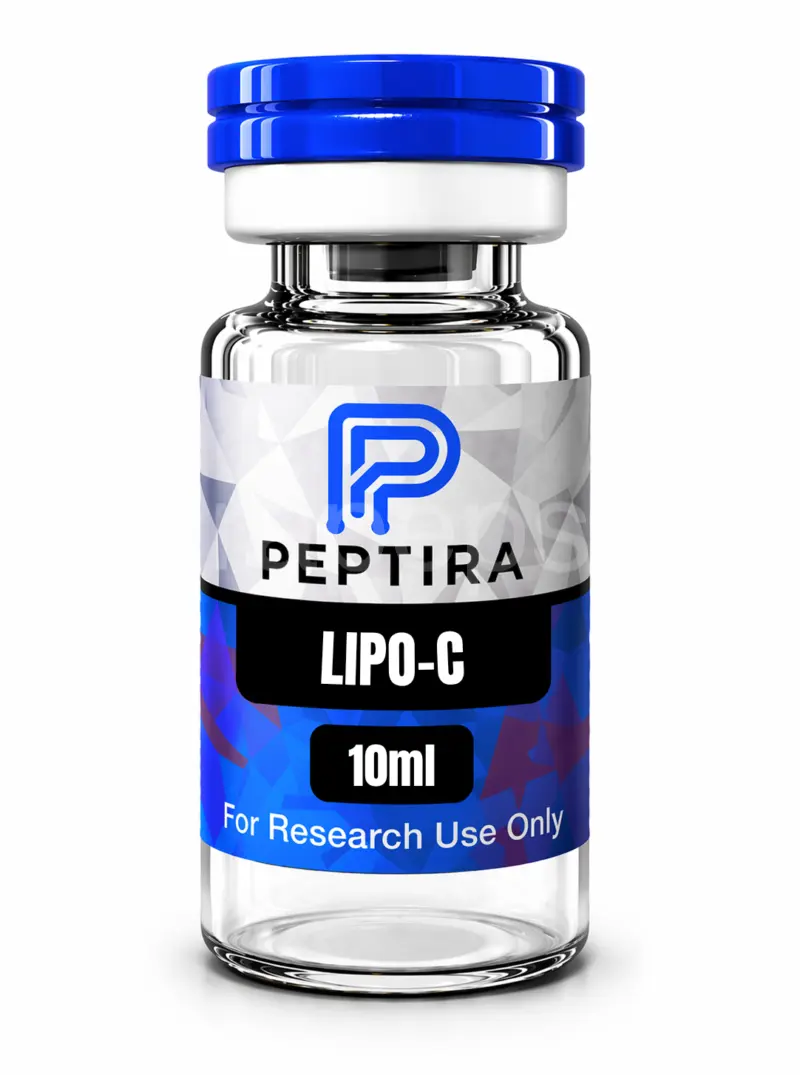
Lipo C peptide (also called Lipo-C or MIC-C injection) is a compounded lipotropic formulation containing:
- Methionine
- Inositol
- Choline
- L-Carnitine
- B-Complex Vitamins (B1, B2, B3, B5, B6, B12)
The term “lipotropic” literally means “fat-attracting” or “fat-mobilizing.” These compounds help your liver process and export fat more efficiently, preventing accumulation while encouraging your body to use stored fat as fuel.
Why Is It Called a “Peptide”?
Technically, Lipo C is not a peptide in the classical sense. Traditional peptides like BPC-157 or CJC-1295 are chains of amino acids that signal specific biological responses through receptor binding. Lipo C, by contrast, is a nutrient complex that provides raw metabolic materials and enzymatic cofactors your body needs to optimize fat metabolism.
However, the peptide research and compounding community has adopted the “Lipo C peptide” terminology because:
- It’s administered via injection like research peptides
- It’s frequently stacked alongside actual peptides in metabolic protocols
- Compounding pharmacies that specialize in peptide therapies commonly formulate it
How Lipo C Peptide Works: The Science
Lipo C peptide supports fat loss through three interconnected metabolic pathways:
1. Hepatic Fat Export (The MIC Complex)
The liver is your body’s primary fat-processing organ. When it becomes congested with triglycerides, your entire metabolism slows. The MIC complex (Methionine, Inositol, Choline) facilitates:
- VLDL assembly: packaging triglycerides for export out of liver cells
- Phosphatidylcholine synthesis: building the transport vehicles that move fat
- Bile-dependent lipid emulsification: breaking down dietary fat for absorption and processing
2. Mitochondrial Fat Burning (L-Carnitine Shuttle)
L-Carnitine acts as a molecular shuttle, transporting long-chain fatty acids across the inner mitochondrial membrane where beta-oxidation occurs. Without adequate carnitine:
- Mobilized fat cannot enter mitochondria to be burned
- Fat gets re-deposited in adipose tissue or organs
- Energy production from fat stalls
Critical insight: Injectable L-Carnitine bypasses the digestive tract, delivering bioavailability equivalent to approximately 2,000mg of oral carnitine in a single injection.
3. Metabolic Cofactor Support (B-Complex Vitamins)
B vitamins serve as cofactors for hundreds of metabolic enzymes. During caloric restriction:
- B vitamin requirements increase while intake typically decreases
- Deficiencies manifest as fatigue, brain fog, and stalled metabolism
- Lipo C ensures enzymatic reactions continue at optimal velocity
Lipo C Peptide Ingredients: Deep Dive
Methionine (15–25 mg/mL)
An essential amino acid your body cannot synthesize. Methionine donates methyl groups for SAMe production, driving phosphatidylcholine synthesis and VLDL assembly. It also preserves lean muscle tissue during caloric deficits by supporting nitrogen balance and protein synthesis.
Inositol (50 mg/mL)
A carbocyclic sugar critical for cellular signaling and insulin sensitivity. Inositol improves how your cells respond to insulin, breaking the cycle where insulin resistance promotes fat storage and inhibits lipolysis. It’s particularly valuable for individuals with PCOS-related metabolic dysfunction.
Choline (50 mg/mL)
An essential nutrient for cell membrane integrity and neurotransmitter synthesis. Choline is required for phosphatidylcholine production—the backbone of lipoproteins that transport fat out of the liver. Without adequate choline, fat accumulates in hepatocytes, leading to fatty liver and metabolic slowdown.
L-Carnitine (15–50 mg/mL)
The mitochondrial gatekeeper. Carnitine facilitates beta-oxidation while buffering toxic acyl-CoA accumulation. Meta-analyses in overweight populations show carnitine supplementation increases maximal oxygen consumption and supports modest but consistent weight loss.
B-Complex Vitamins
- B1 (Thiamine): Carbohydrate metabolism and ATP production
- B2 (Riboflavin): Electron transport chain function
- B3 (Niacin): NAD+ synthesis for cellular energy
- B5 (Pantothenic Acid): CoA synthesis for fatty acid oxidation
- B6 (Pyridoxine): Amino acid metabolism and neurotransmitter synthesis
- B12 (Cobalamin): Red blood cell formation and neurological function
Lipo C Peptide Benefits
Accelerated Fat Loss
When combined with caloric restriction and exercise, Lipo C peptide helps break through weight loss plateaus by:
- Enhancing hepatic fat export
- Improving mitochondrial fatty acid oxidation
- Supporting insulin sensitivity
Users on structured programs typically report 2–4 pounds of fat loss per week when combining Lipo C with diet and exercise.
Sustained Energy Without Stimulants
Unlike caffeine-based fat burners that spike cortisol and cause crashes, Lipo C provides clean, sustained energy by correcting metabolic deficiencies. Users describe it as feeling “metabolically awake” rather than jittery.
Liver Health & Detoxification Support
The MIC complex was originally developed to treat fatty liver. By supporting triglyceride export and reducing hepatic steatosis, Lipo C peptide helps:
- Lower liver enzyme levels
- Improve hepatic insulin sensitivity
- Reduce visceral adiposity (belly fat)
Muscle Preservation During Dieting
Methionine’s role in protein synthesis and nitrogen balance signals your body to preserve lean mass while preferentially burning fat. This is critical because muscle tissue drives resting metabolic rate; the higher your muscle mass, the more calories you burn at rest.
GLP-1 Medication Synergy
One of the fastest-growing applications is combining Lipo C peptide with semaglutide or tirzepatide:
- GLP-1s reduce appetite (behavioral)
- Lipo C enhances fat metabolism (cellular)
- Together, they address weight loss from two complementary angles
This combination may accelerate fat loss beyond what either achieves alone while combating GLP-1-related fatigue and preserving muscle mass during rapid weight loss.
Lipo C Peptide Dosage & Administration
| Parameter | Standard Protocol |
|---|---|
| Route | Intramuscular (IM) or Subcutaneous (SubQ) |
| Dose | 1 mL per injection |
| Frequency | 1–2 times weekly |
| Injection Timing | Morning or 30–60 min before fasted cardio |
| Course Duration | 12–16 weeks initially |
| Maintenance | Once weekly or monthly thereafter |
Pro tip for athletes: Inject 30–60 minutes before morning fasted cardio. The carnitine component maximizes fatty acid oxidation when glycogen stores are depleted.
Lipo C Peptide vs Alternatives
| Comparison | Lipo C Peptide | Alternative |
|---|---|---|
| vs. Oral Lipotropics | Injectable = ~10x bioavailability | Oral = poor absorption, especially carnitine |
| vs. B12 Only | Comprehensive metabolic support | Energy only, no fat metabolism enhancement |
| vs. Semaglutide/Tirzepatide | Metabolic optimization + muscle preservation | Appetite suppression + major weight loss |
| vs. Fat Burners | No stimulants, no tolerance, sustainable | Caffeine/synephrine, jittery, cardiovascular stress |
| vs. Kybella | Systemic fat metabolism support | Spot reduction only, significant downtime |
Who Should Consider Lipo C Peptide?
Ideal candidates:
- Weight loss plateau breakers
- GLP-1 medication users seeking metabolic enhancement
- Individuals with low energy during caloric restriction
- Those with suspected fatty liver or elevated liver enzymes
- Athletes targeting body composition changes
- Busy professionals needing convenient weekly metabolic support
Who should avoid it:
- Pregnant or nursing women (safety not established)
- Individuals with severe hepatic failure
- Those unwilling to modify diet or exercise
- Severely obese individuals (BMI >40) should prioritize GLP-1s first
Lipo C Peptide Side Effects & Safety
Lipo C peptide is generally well-tolerated. Individual ingredients are FDA-recognized as safe. Common side effects include:
- Mild injection site soreness or bruising
- Temporary nausea (rare)
- Slight energy increase that may affect sleep if injected late
Safety notes:
- Lipo C is a compounded medication not FDA-approved as a complete formulation
- Always source from licensed compounding pharmacies
- Consult a healthcare provider before starting, especially if taking medications or managing chronic conditions
Stacking Lipo C Peptide for Maximum Results
Lipo C + Semaglutide
- Semaglutide: Weekly injection per standard titration
- Lipo C: 1 mL once or twice weekly on different days
- Benefit: Complementary appetite suppression + metabolic acceleration
Lipo C + Tirzepatide
- Tirzepatide: Weekly injection per titration schedule
- Lipo C: 1 mL once weekly
- Benefit: Enhanced fat loss with potentially lower tirzepatide doses, reducing side effects and cost
Lipo C + Exercise Program
- Inject before fasted morning cardio or resistance training
- Benefit: Enhanced fatty acid oxidation during training, improved recovery
Expected Results Timeline
| Week | What to Expect |
|---|---|
| 1–2 | Increased energy, improved alertness, easier workouts |
| 2–4 | Measurable fat loss begins (2–4 lbs/week with diet/exercise) |
| 4–8 | Visible body composition changes, reduced abdominal fat, plateau breakthrough |
| 8–12 | 10–25+ lbs fat loss, sustained energy, metabolic adaptation begins |
| 12+ | Transition to maintenance dosing |
Frequently Asked Questions (FAQ)
Is Lipo C actually a peptide?
No, Lipo C is a lipotropic nutrient injection, not a signaling peptide. However, it’s commonly grouped with peptide therapies because it’s administered via injection and frequently stacked with research peptides in metabolic protocols.
How quickly does Lipo C peptide work?
Most users notice energy improvements within 3–7 days. Measurable fat loss typically appears after 2–4 weeks of consistent use combined with diet and exercise.
Can I inject Lipo C at home?
Yes, many patients self-administer Lipo C after receiving proper training from their healthcare provider. Subcutaneous injections are generally easier for home administration than intramuscular.
Does Lipo C peptide hurt?
Most people describe mild, brief discomfort similar to any injection. Some formulations include lidocaine to minimize sensation.
Can I take Lipo C with semaglutide or tirzepatide?
Yes, this is one of the most popular and clinically logical combinations. GLP-1s control appetite while Lipo C optimizes fat metabolism. No formal drug interactions exist, but consult your provider.
Is Lipo C FDA approved?
The individual ingredients are FDA-recognized as safe, but Lipo C, as a compounded formulation, has not undergone FDA approval for weight loss. It is legally available through licensed compounding pharmacies.
How long should I use Lipo C peptide?
Initial courses run 12–16 weeks. Many users transition to maintenance dosing (once weekly or monthly) to sustain results.
Conclusion
Lipo C peptide is a powerful metabolic support tool that enhances fat loss, preserves lean muscle, boosts energy, and supports liver health when used as part of a comprehensive weight management strategy. It’s not a magic injection that melts fat while you sit on the couch. It is, however, a legitimate, science-backed compound that amplifies the results of diet, exercise, and GLP-1 therapies.
If you’re stuck on a plateau, struggling with energy during a cut, or looking to maximize GLP-1 results, Lipo C peptide deserves serious consideration in your metabolic optimization protocol.
Author Bio
Dr. Marcus Hale, PhD, is a biochemist and peptide research specialist with over 15 years of experience in metabolic medicine and compounded therapeutics. His research focuses on lipotropic compounds, mitochondrial optimization, and peptide-based metabolic protocols. Dr. Hale has published peer-reviewed work on amino acid metabolism and consults with compounding pharmacies on evidence-based formulation development.
Medical Disclaimer
The information provided in this article is for educational and research purposes only. It is not intended as medical advice, diagnosis, or treatment. Always consult a qualified healthcare provider before beginning any new supplement, peptide, or injection protocol. Individual results may vary.